 nipuna jayasekara
 March 27, 2026
 nipuna jayasekara
 South Asian weddings are expansive celebrations shaped by ritual, hospitality, symbolism, and family tradition. They rarely unfold over a single day, and they rarely operate on minimal expectations.
Every event carries emotional weight. Every meal reflects heritage. Every ceremony follows a sequence that has been preserved across generations.
When a wedding blends cultures, that complexity increases. A fusion celebration requires more than aesthetic balance. It requires understanding the meaning behind each ritual and ensuring that neither side feels secondary. It calls for thoughtful integration rather than visual contrast.
In November 2025, Judy of Wera Events had the privilege of planning and designing a fusion South Asian wedding at the Four Seasons Nashville. From initial consultation to wedding weekend, the timeline was eight months. For a multi event South Asian celebration, that qualifies as an accelerated schedule. Judy often refers to it as speed planning, though there was nothing rushed about the process.
Every vendor was sourced locally in Nashville. Many of them had never executed a South Asian wedding before. The culinary program required cultural authenticity. Ritual timing had to be respected. Design needed to feel refined while honoring heritage. Expectations were high, both emotionally and logistically.
What emerged over those eight months was not simply a well executed wedding. It became one of the most integrative and rewarding experiences of Judy’s career.
Planning a wedding of this scale within eight months requires clarity at the outset. Without a defined vision, momentum can quickly dissolve into reactive decision making.
Judy’s first priority was alignment. She spent time with the couple and their families understanding which traditions were essential, which elements could be adapted, and how they envisioned their guests’ feelings across the weekend.
That early clarity shaped everything that followed. Rather than juggling competing ideas, the planning process moved forward with purpose.
Speed planning does not mean compressing tasks carelessly. It means structuring work intelligently and eliminating unnecessary friction. Judy approached the timeline by developing parallel planning tracks. While venue logistics were being finalized, design concepts were already in development.
While floral partners were being sourced, early menu conversations began. Stationery design evolved alongside aesthetic decisions rather than waiting for every visual element to be finalized.
This integrated approach prevented bottlenecks. It allowed each vendor conversation to build upon previous decisions rather than reopening foundational questions.
Judy also implemented firm decision milestones. Rather than revisiting choices repeatedly, she encouraged thoughtful discussion followed by confident commitment. That discipline ensured forward movement without sacrificing quality.

Under more conventional circumstances, a fusion South Asian wedding of this magnitude might be planned over twelve to eighteen months. Extended timelines provide space for exploration, additional tastings, and more gradual vendor selection. However, they can also create room for hesitation.
With eight months, focus becomes sharper. Judy relied on experience and instinct to anticipate potential challenges before they surfaced. Instead of reacting to obstacles, she proactively designed around them. Vendor meetings were structured with clear objectives. Design presentations were grounded in defined parameters. Feedback loops were efficient.
The shorter timeline did not limit creativity. It refined it. Every conversation had direction, and every decision contributed to the larger narrative.
Fusion weddings involve layered coordination that extends beyond décor and scheduling. Ritual sequencing must align with religious timing. Guest hospitality must accommodate varying levels of cultural familiarity. Meals must support ceremonial pacing rather than interrupt it.
For this wedding at the Four Seasons Nashville, each event required its own operational rhythm. Traditional ceremonies were mapped carefully, with attention to timing, seating, and transitions. Judy worked closely with the venue’s production team to ensure staff understood not only what would happen, but why certain moments required precision.
Room transformations between events were timed meticulously. Vendor load ins and rehearsals were staggered strategically. Guest flow was designed to feel intuitive rather than directed.
When the weekend arrived, guests experienced celebration without seeing the logistical framework supporting it.
One of the most distinctive decisions Judy made was committing to a fully Nashville based vendor team. Rather than bringing in out-of -state specialists familiar with South Asian weddings, she chose to invest in local partners and guide them through the cultural nuances of the celebration.
This decision required additional preparation. Many vendors were highly skilled in their respective disciplines but unfamiliar with specific rituals, expectations, and pacing associated with South Asian events.
Judy viewed this not as a risk, but as an opportunity.
From the outset, Judy embraced the role of educator alongside designer. She organized walkthroughs to explain ceremony structures. She clarified expectations around attire changes, musical cues, and meal service timing. She shared contextual information so vendors understood the emotional significance behind what they were executing.
For example, traditional South Asian lunches are not casual interludes. They carry cultural meaning and often involve expectations of abundance and specific sequencing. Without guidance, vendors might unintentionally overlook those nuances.
By providing education rather than replacing vendors, Judy fostered ownership. The Nashville based team became deeply invested in honoring the traditions accurately. That shared commitment elevated the entire experience.
Designing a fusion wedding requires cohesion. It must feel like a unified narrative rather than two aesthetics placed side by side.
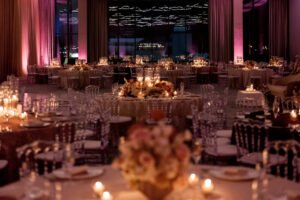
The couple envisioned a celebration that felt elegant, warm, and deeply personal. Judy translated that vision into a refined design language that complemented the architecture of the Four Seasons Nashville while incorporating culturally resonant details.
Color palettes were selected intentionally to reflect both sophistication and vibrancy where appropriate. Floral installations enhanced the venue’s existing features rather than overwhelming them. Textures were layered thoughtfully, balancing contemporary refinement with traditional richness.
Each event across the weekend maintained visual continuity while expressing its own character. Guests moved through different environments without experiencing visual dissonance.

The invitation suite marked the beginning of the guest experience. Judy collaborated closely with a Nashville based stationery team to develop a fully custom design from concept through production.
Typography was selected to reflect elegance without formality. Paper stock was chosen for texture and weight. Layouts were refined to communicate clarity while maintaining aesthetic harmony.
The suite subtly reflected the fusion nature of the wedding without relying on overt symbolism. It introduced guests to the tone of the celebration and signaled the level of detail they could expect throughout the weekend.
If design shapes perception, cuisine shapes memory. Here’s how Judy took care of the catering of the fusion wedding:
In South Asian weddings, food represents heritage and family tradition. Guests often travel long distances expecting to taste dishes that feel authentic and familiar. Judy knew that authenticity could not be diluted, especially in a fusion setting where balance is delicate.
She spent time understanding the couple’s regional background and family preferences, identifying dishes that held personal meaning. She also considered the diverse guest list, ensuring the menu felt approachable to those less familiar with South Asian cuisine without compromising flavor or integrity.
Judy worked closely with the Four Seasons culinary team, attending tastings and providing detailed feedback to refine spice levels, preparation techniques, and presentation. Her involvement ensured the final menu felt culturally grounded rather than adapted.
Initially, the venue was open to bringing in an external South Asian catering team. Judy explored this option thoroughly, reviewing menus and evaluating how an outside team would integrate into the hotel’s operations. However, logistical challenges quickly became apparent, including kitchen coordination, staffing overlap, and service flow alignment.
Rather than forcing a complicated structure, Judy reassessed. She chose to deepen collaboration with the in-house culinary team instead, investing in extended tastings and clearer communication.
By strengthening internal execution rather than dividing responsibility, she preserved both authenticity and seamless service, ensuring the dining experience felt cohesive and refined.
Judy met with Chef Scott at the Four Seasons Nashville to discuss alternatives. During their conversation, he shared that he had worked on similar cultural menus at other Four Seasons properties. That experience opened the door to collaboration.
Judy asked whether he would be willing to execute a traditional Gujarati lunch and incorporate South Asian elements into other event menus. He expressed enthusiasm, alongside understandable concern about meeting authenticity expectations.
Judy assured him that she would guide the process closely. It would not be a vague interpretation. It would be intentional and iterative.
The culinary development became one of the most collaborative aspects of the wedding.
Judy provided detailed recipes, ingredient specifications, and reference videos for each traditional dish. She explained flavor profiles, texture expectations, and presentation standards. She remained actively involved during testing sessions to ensure accuracy.
This hands-on involvement created clarity for the culinary team and built mutual trust.
The traditional Gujarati lunch was one of the most culturally significant events of the weekend. Family members held strong expectations, particularly regarding flavor balance and authenticity.
Three tastings were scheduled with the family to refine the menu collaboratively.
During the first tasting, adjustments were identified regarding spice levels and texture balance. By the second tasting, the parents expressed genuine satisfaction, requesting only minor refinements.
By the third tasting, the menu felt complete. The flavors resonated authentically, and the presentation aligned with traditional expectations while benefiting from the refinement of the Four Seasons kitchen.
Throughout the tasting process, communication remained respectful and constructive. Judy acted as a bridge between family feedback and culinary execution, ensuring clarity on both sides. By wedding week, the team felt confident and aligned.
When the weekend began, months of preparation translated seamlessly into performance.
The Gujarati lunch was executed beautifully. Guests recognized the authenticity immediately, and the family expressed pride in the outcome. South Asian elements integrated into the welcome reception menus complemented the broader culinary program naturally.
Judy felt immense appreciation for the Four Seasons Nashville culinary team, whose willingness to learn and adapt resulted in exceptional execution.
Ceremonies unfolded with precision. Vendors understood their roles and timing. Transitions between events felt smooth and intuitive. Guests unfamiliar with certain traditions were gently guided without feeling overwhelmed.
The weekend felt cohesive, thoughtful, and deeply personal.
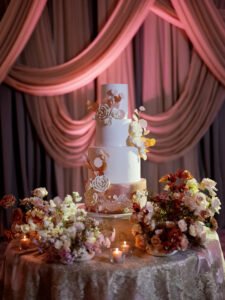
The Four Seasons Nashville pastry team created a cake that aligned elegantly with the overall aesthetic. Its design reflected refinement and continuity, serving as a final visual statement within the celebration.
What truly set this wedding apart was not only the final aesthetic or the carefully curated menu, but the mindset behind every decision.
Judy approached the planning process with long term impact in mind, focusing on collaboration, education, and intentional execution rather than quick fixes.
Rather than bringing in an entirely external team already familiar with South Asian weddings, Judy chose to work closely with Nashville based vendors and guide them through the cultural nuances of each event.
She explained rituals, timelines, and expectations in detail, ensuring everyone understood the significance behind the moments they were executing. This approach strengthened trust, built confidence, and elevated the capabilities of the local event community while creating a more cohesive vendor team.
An eight month timeline for a multi event fusion wedding demanded clarity and discipline. Judy approached this constraint strategically, helping the couple prioritize what mattered most early in the process.
Decisions were made with intention, eliminating unnecessary back and forth. The shorter planning window encouraged focus, streamlined communication, and ultimately resulted in a celebration that felt deliberate rather than rushed.
For Judy, this wedding represented more than successful execution.
Guiding a local culinary team through authentic Gujarati cuisine and watching them succeed was particularly meaningful. Seeing the couple and their families moved by the experience affirmed the months of preparation.
Extraordinary weddings are not defined by extended timelines or familiar vendor rosters. They are defined by collaboration, clarity, and cultural respect.
The fusion South Asian wedding at the Four Seasons Nashville in November 2025 came together in eight focused months through structured planning, intentional design, collaborative education, and an unwavering commitment to authenticity. What made it truly special was not simply the timeline, but the care behind every decision.
Traditions were honored with depth, not surface level interpretation. Local vendors were guided with patience and clarity rather than replaced. The culinary team embraced the learning process and delivered flavors that genuinely resonated with the family.
This celebration is a reminder that extraordinary weddings are not defined by extended planning windows, but by alignment, trust, and thoughtful leadership. When expectations are clear and collaboration is genuine, even an accelerated timeline can feel steady and composed.
At Wera Events, we approach every celebration with that balance of precision and heart, ensuring that culture, design, and guest experience come together seamlessly.
It can be, with the right structure and clarity from the beginning. Fusion South Asian weddings involve multiple events, detailed rituals, and large guest counts, so early alignment is key. When decisions are made steadily and priorities are clear, eight months can feel focused rather than rushed. Strong planning and proactive coordination make all the difference.
Balance begins with conversation. Understanding which traditions matter most to each family helps shape the structure of the weekend.
From ceremony sequencing to menu planning and design choices, every detail should reflect mutual respect. When both sides feel heard and represented, the celebration feels integrated rather than divided.
Yes, they absolutely can, particularly when they approach the process with curiosity and willingness to understand the culture behind the celebration. Many vendors are highly experienced in execution but may not have exposure to specific South Asian rituals or expectations.
Taking time to explain ceremonial flow, timing sensitivities, and guest dynamics gives them clarity and confidence. When vendors understand the meaning behind their role, not just the task itself, their execution becomes more thoughtful and aligned.
Authenticity requires involvement. It means understanding regional dishes, scheduling multiple tastings, and offering honest feedback throughout the process.
Close collaboration between the planner, family, and culinary team ensures flavors, presentation, and timing feel true to tradition. When that dialogue is consistent, the final menu reflects heritage rather than interpretation.
Fusion weddings often involve layered timelines, outfit changes, ceremonial sequencing, and varied guest expectations. Managing transitions smoothly requires detailed coordination. Clear vendor communication and structured schedules help prevent confusion. When logistics are handled thoughtfully, guests experience celebration without noticing the complexity behind it.
Cohesion begins with a clearly defined vision that guides every decision from the start. In a fusion wedding, it is easy for design to feel segmented if each culture is treated as a separate visual story.
Instead, harmony is created by layering elements intentionally. Color palettes can subtly reference both traditions without overwhelming the space. Textures, florals, and décor choices should complement the venue while honoring heritage. When design language remains consistent across events, guests experience a natural flow rather than a shift in identity.
A shorter timeline works when decisions are made with confidence. Clear milestones, structured meetings, and early vendor alignment keep the process steady. Instead of revisiting choices repeatedly, momentum is maintained. With experience and organization, an accelerated schedule can feel efficient and composed rather than stressful.